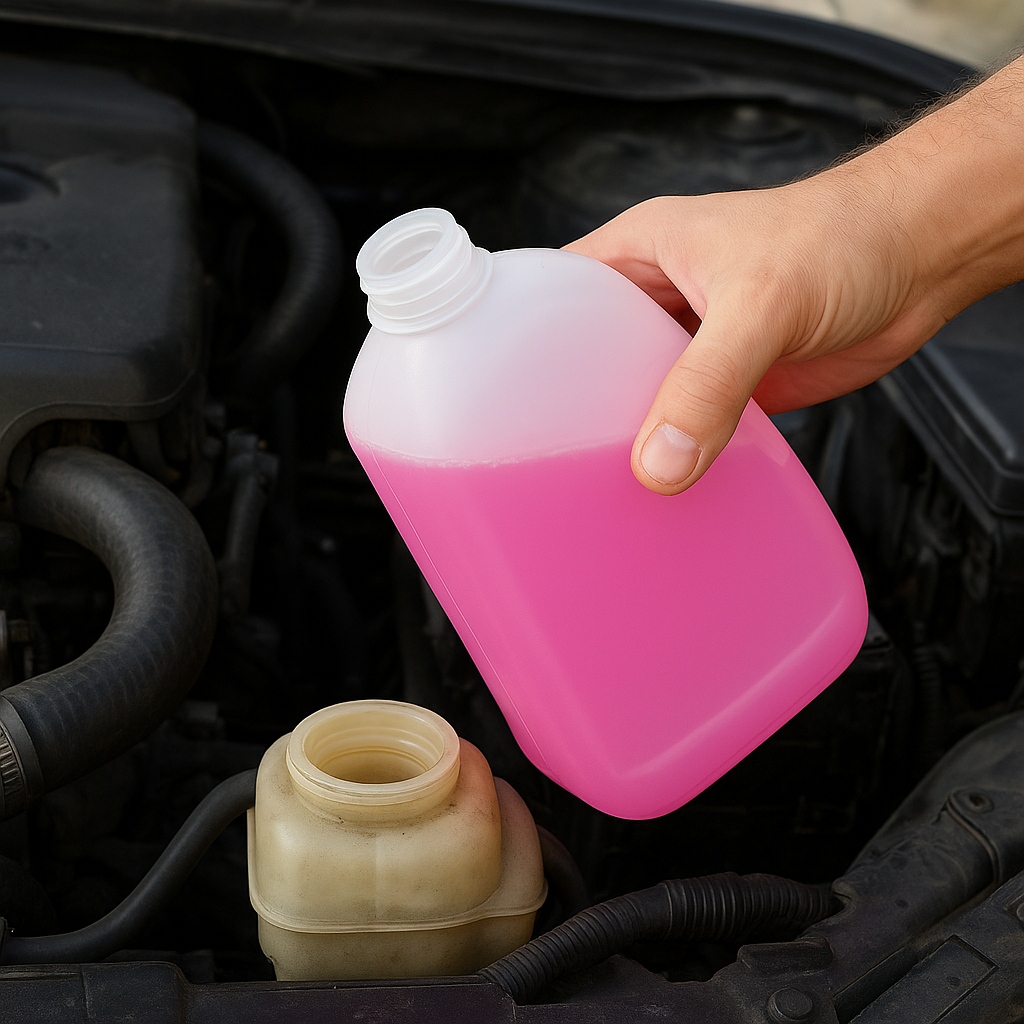
Opening the hood of any modern vehcile reveals a maze of rubber hoses and plastic reservoirs, yet the fluid sitting inside that expansion tank remains a constant source of confusion. Drivers and independent mechanics swap these terms without hesitation, assuming they point to identical products. The reality involves basic chemistry and packaging standards that dictate how heat moves through an internal combustion system. Understanding the distinction prevents costly repairs and keeps the engine operating within safe temperature bands.
Are Antifreeze And Coolant The Same Thing
The practical answer leans toward no, though the distinction matters mostly during the purchasing phase. Pure antifreeze is a concentrated chemical base, typically ethylene or propylene glycol, designed to lower freezing points and raise boiling thresholds. It rarely goes straight into a radiator. Manufacturers ship it as a concentrate that requires dilution with distilled water before it becomes functional. What drivers actually pour into the reservoir is the ready-to-use mixture. This pre-diluted blend carries the label of coolant because its primary job shifts from merely preventing ice to actively managing thermal loads across seasons.
Is Engine Coolant The Same As Antifreeze
Under the hood, the terminology splits by function and chemical formulation. Modern thermal fluids rely on inhibitor packages that protect aluminum heads, copper radiators, and solder joints from corrosion. Concentrate lacks the proper water ratio, meaning it transfers heat poorly and can actually trap thermal energy inside the block. Once mixed at the standard fifty-fifty ratio, the solution balances freeze protection with thermal conductivity. Different inhibitor technologies like OAT, HOAT, and IAT further separate these products by vehicle age and manufacturer specs. Mixing mismatched formulas often triggers sludge formation, blocking narrow passages in the heater core and reducing cabin heating efficiency.
| Product Type | Chemical Base | Application Method |
| Pure Antifreeze | 100% Glycol | Dilute with distilled water |
| Pre-Mixed Coolant | 50/50 Glycol and Water | Direct reservoir fill |
| Fleet Formula | Extended-Life Organics | System flush required |
From Water To Advanced Thermal Management
Thermal control has shifted dramatically since early automobiles relied on plain water and canvas covers during winter. Early engines suffered cracked blocks and rusted radiators because water freezes at thirty-two degrees and boils at two hundred twelve. The introduction of methanol and glycol in the nineteen thirties solved ice damage but accelerated metal degradation. By the nineteen eighties, silicate and phosphate additives extended maintainance cycles, allowing fluids to last years instead of months. Today, organic acid technologies push service intervals toward one hundred fifty thousand miles while protecting lightweight aluminum components. This progression mirrors broader shifts in metallurgy, emission standards, and environmental regulations.
- Check reservoir levels monthly before seasonal temperature swings
- Verify inhibitor type matches manufacturer service manuals
- Flush the system every five years to prevent additive depletion
Proper thermal fluid selection prevents catastrophic head gasket failures and preserves water pump seals across high-mileage cycles.
Service schedules vary by climate, but monitoring color changes and pH balance keeps the cooling loop functioning without sudden breakdowns. Technical specifications from SAE International outline testing protocols for modern thermal management systems. Read more about fluid standards here. Additional maintenance guidelines appear in manufacturer bulletins across the EU and North America. View industry thermal guidelines. Source: bbc.com